Skip to content
Ashly Sanford
Menu

Porcelain Series

Color Systems, Digital-to-Physical Fabrication, and AI-Assisted Tool Development
 
Project overview A series of monumental mirror-polished stainless-steel sculptures finished using layered transparent automotive paint syste

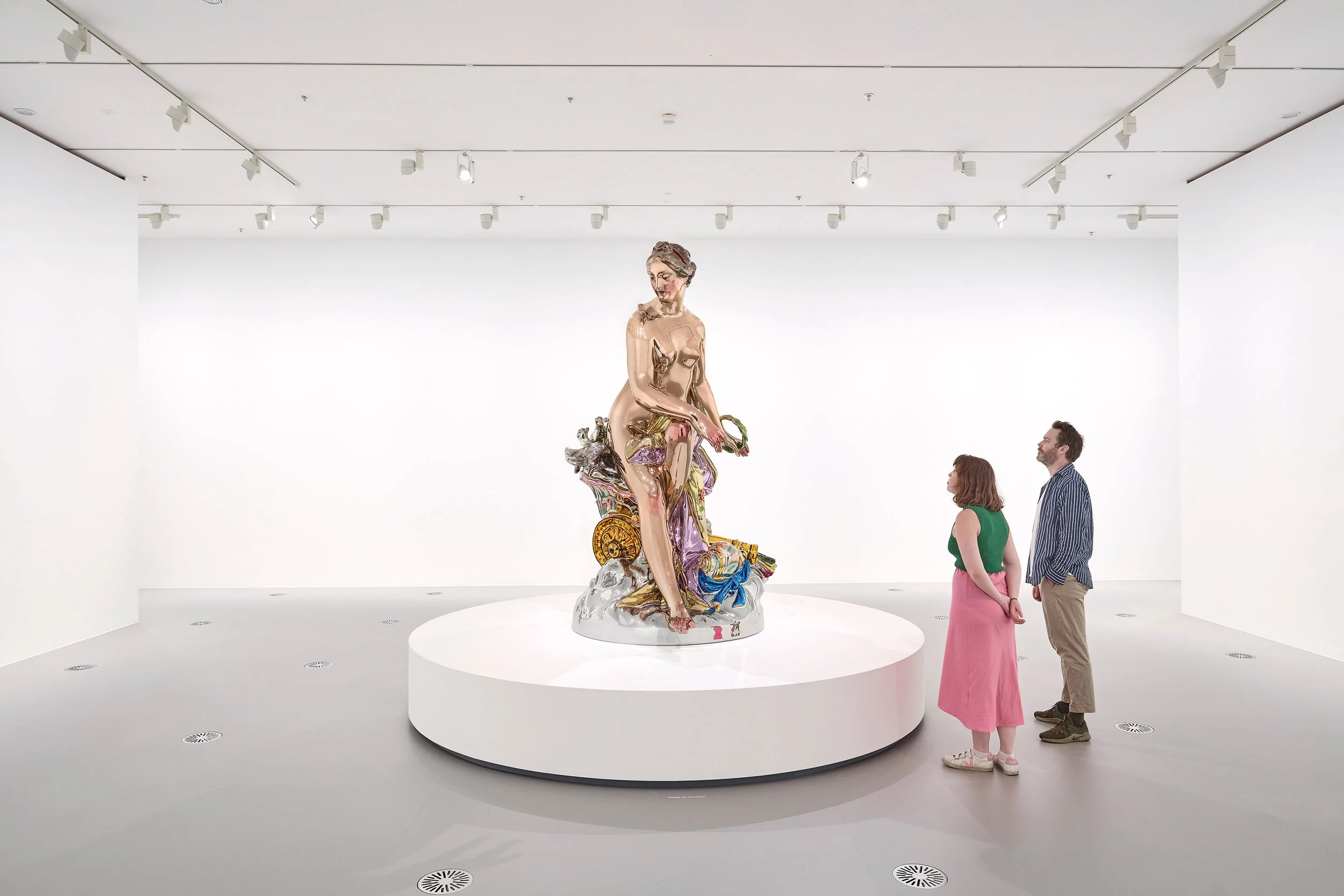
National Gallery of Victoria, Melbourne

Project overview

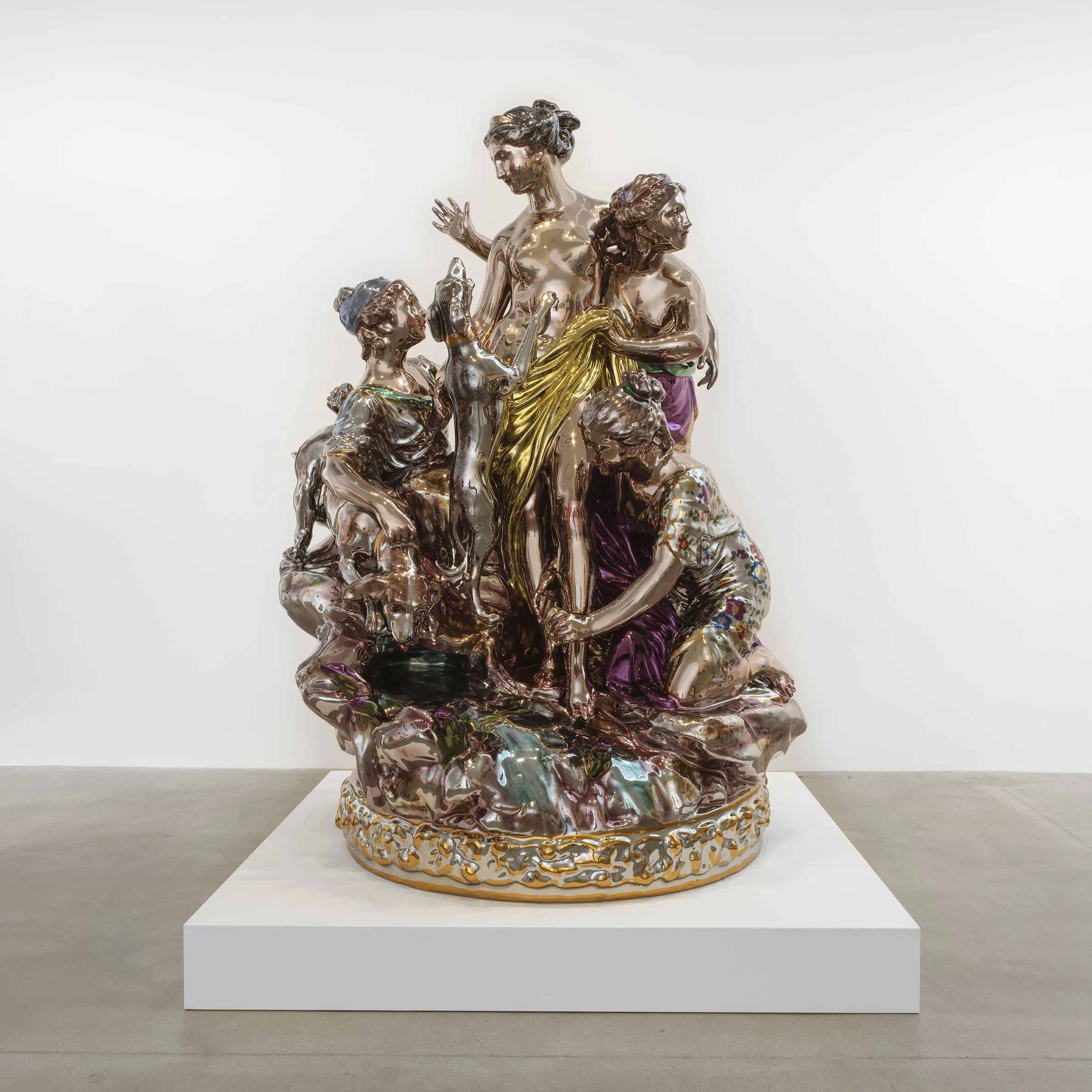
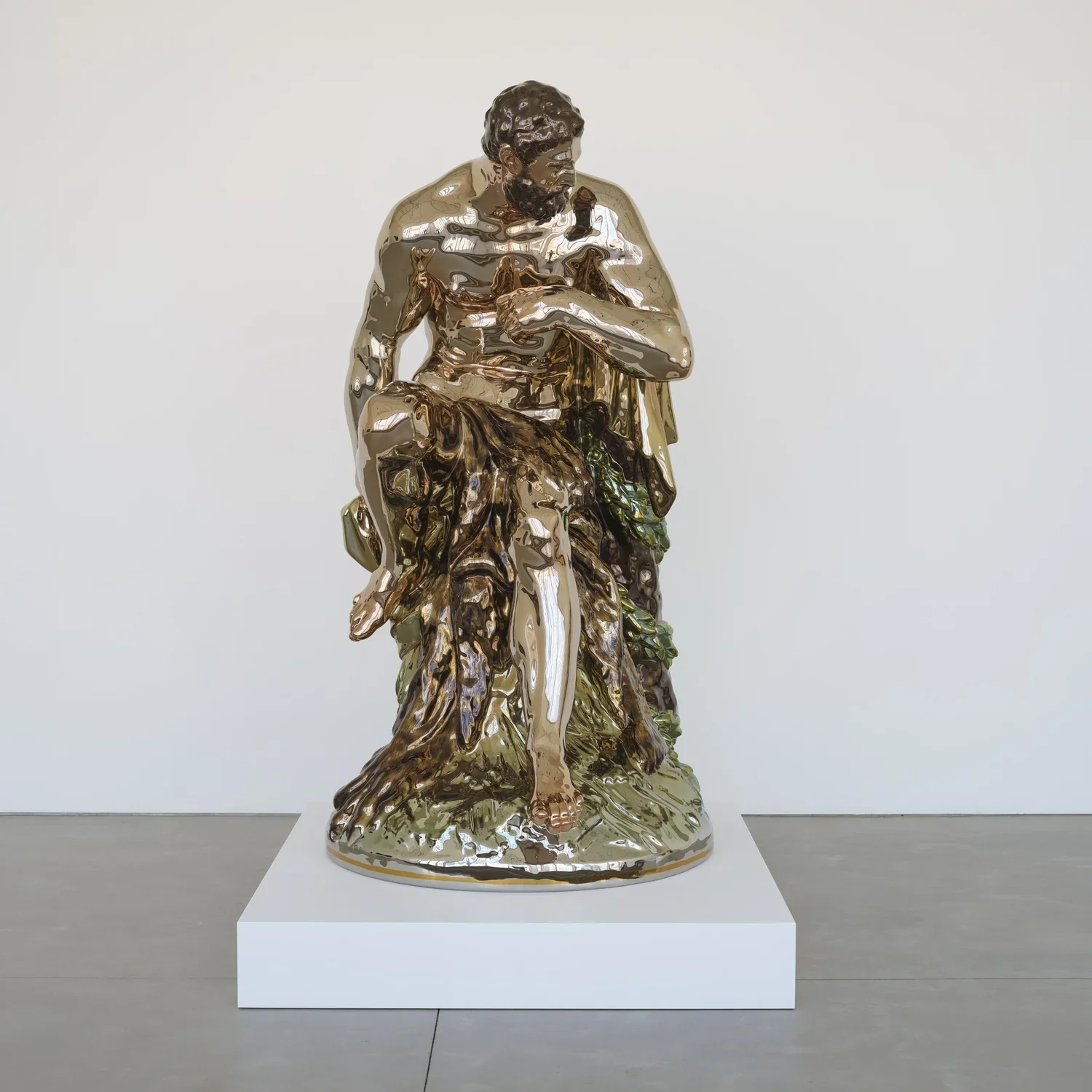
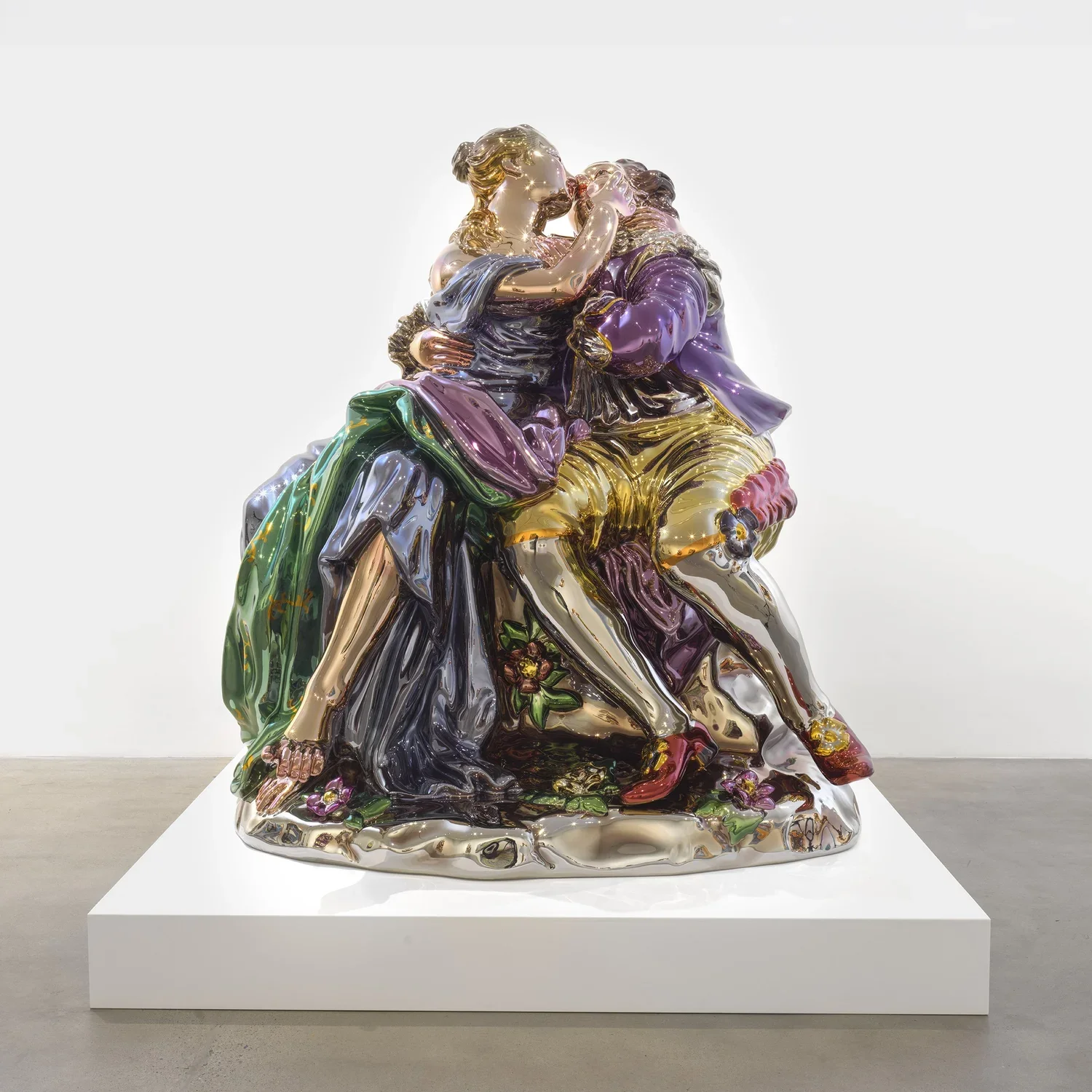
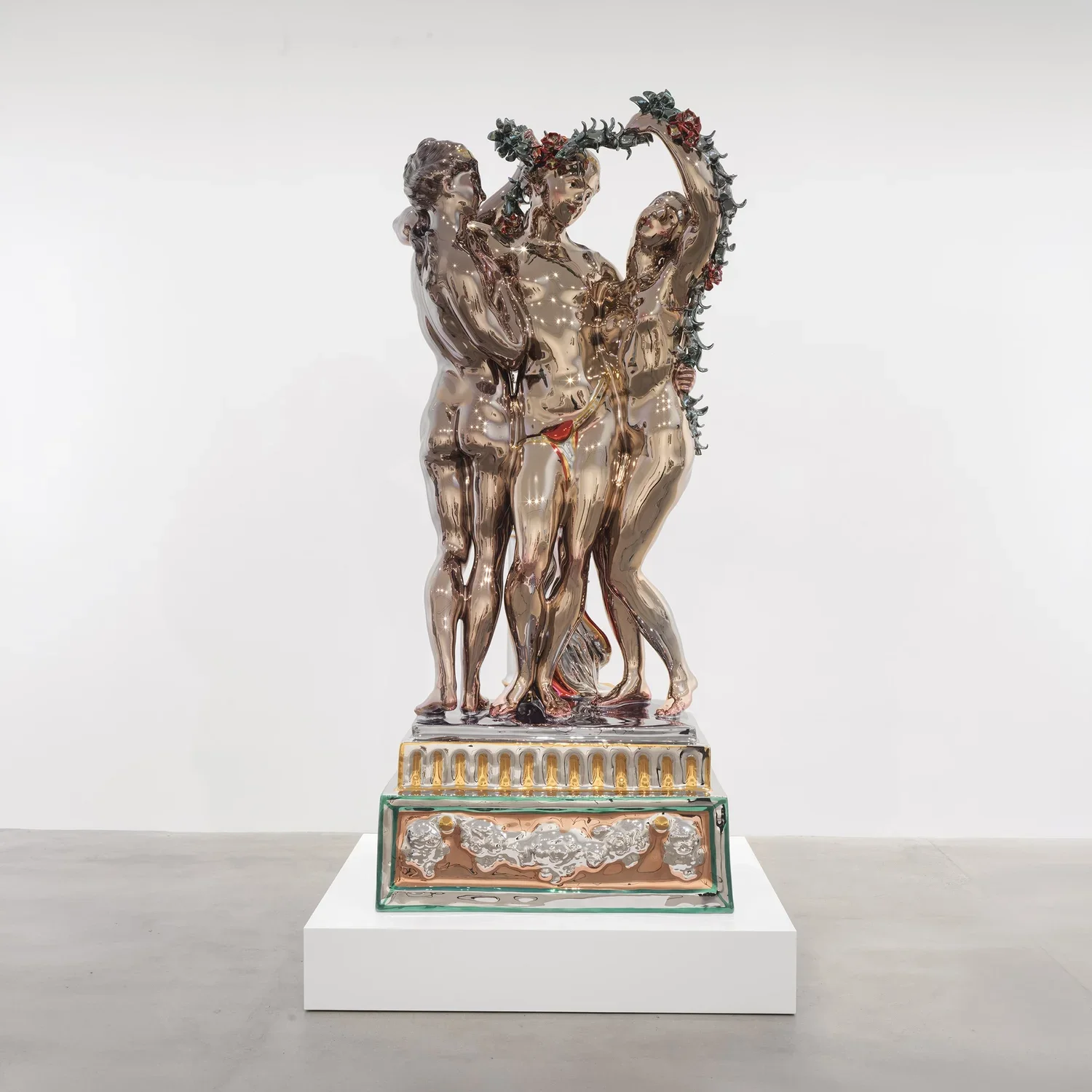
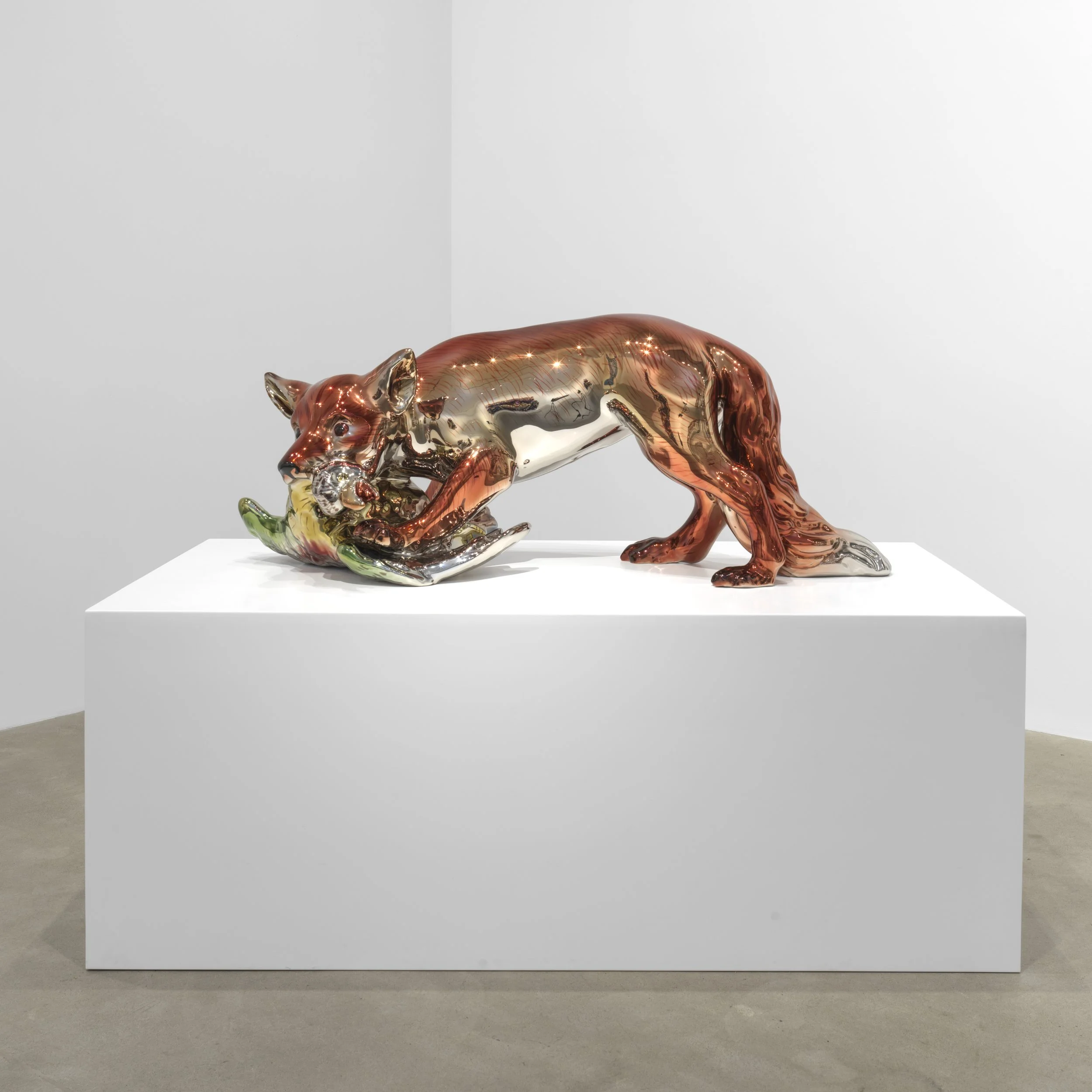
A series of monumental mirror-polished stainless-steel sculptures finished using layered transparent automotive paint systems.

I served as Project Lead for color development, designing and managing the complete digital-to-physical workflow to ensure accurate translation from the artist’s original model to final fabrication.

I’m now extending that production system through AI-assisted toolmaking, automating color separation, vector and 3D spline creation, and mask preparation to speed up iteration and improve precision.


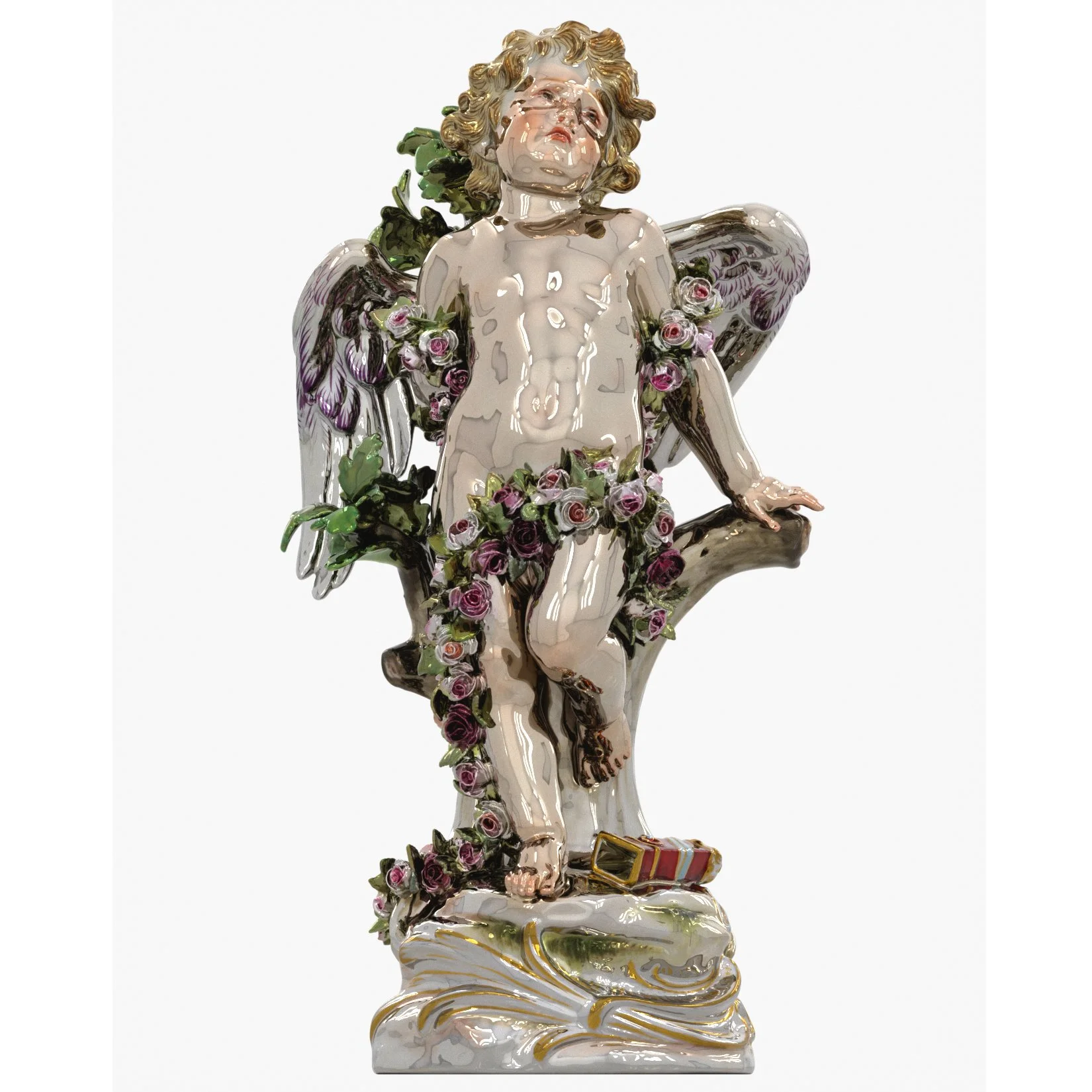
Final Production Render
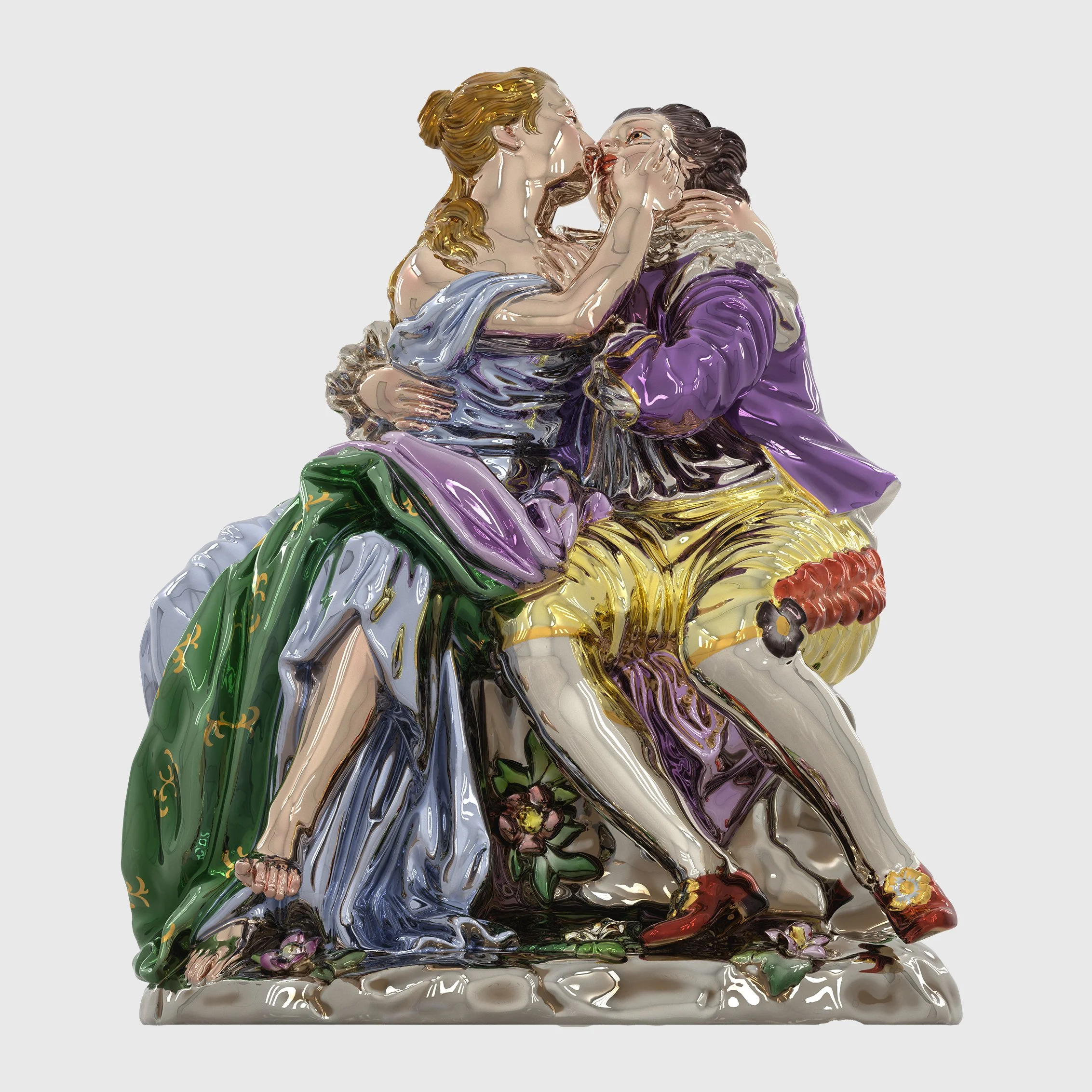
Intent: Fidelity to the Original Form The primary goal of the project was to preserve the artist’s original form and color intent with extre

Intent: Fidelity to the Original Form

The primary goal of the project was to preserve the artist’s original form and color intent with extreme accuracy.
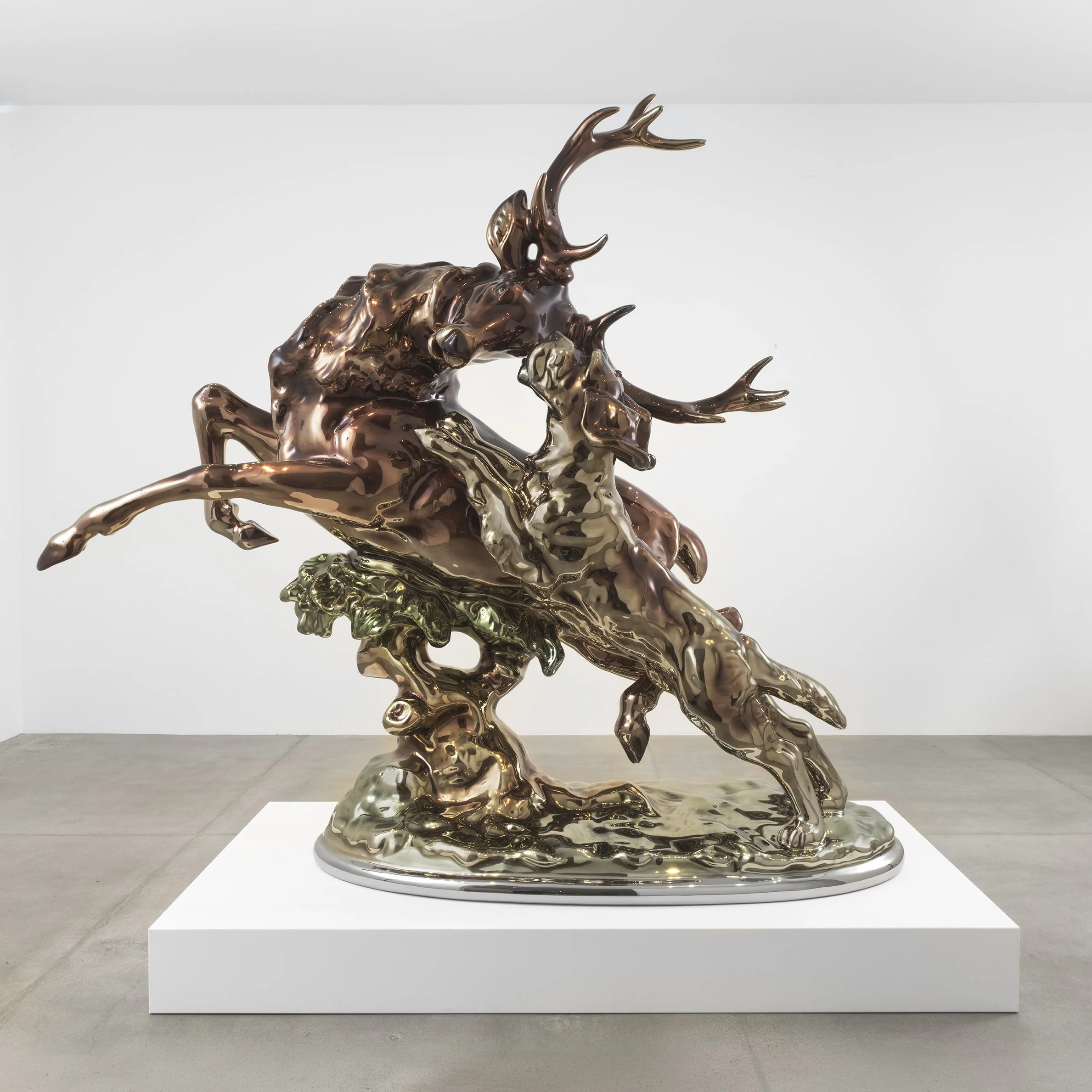
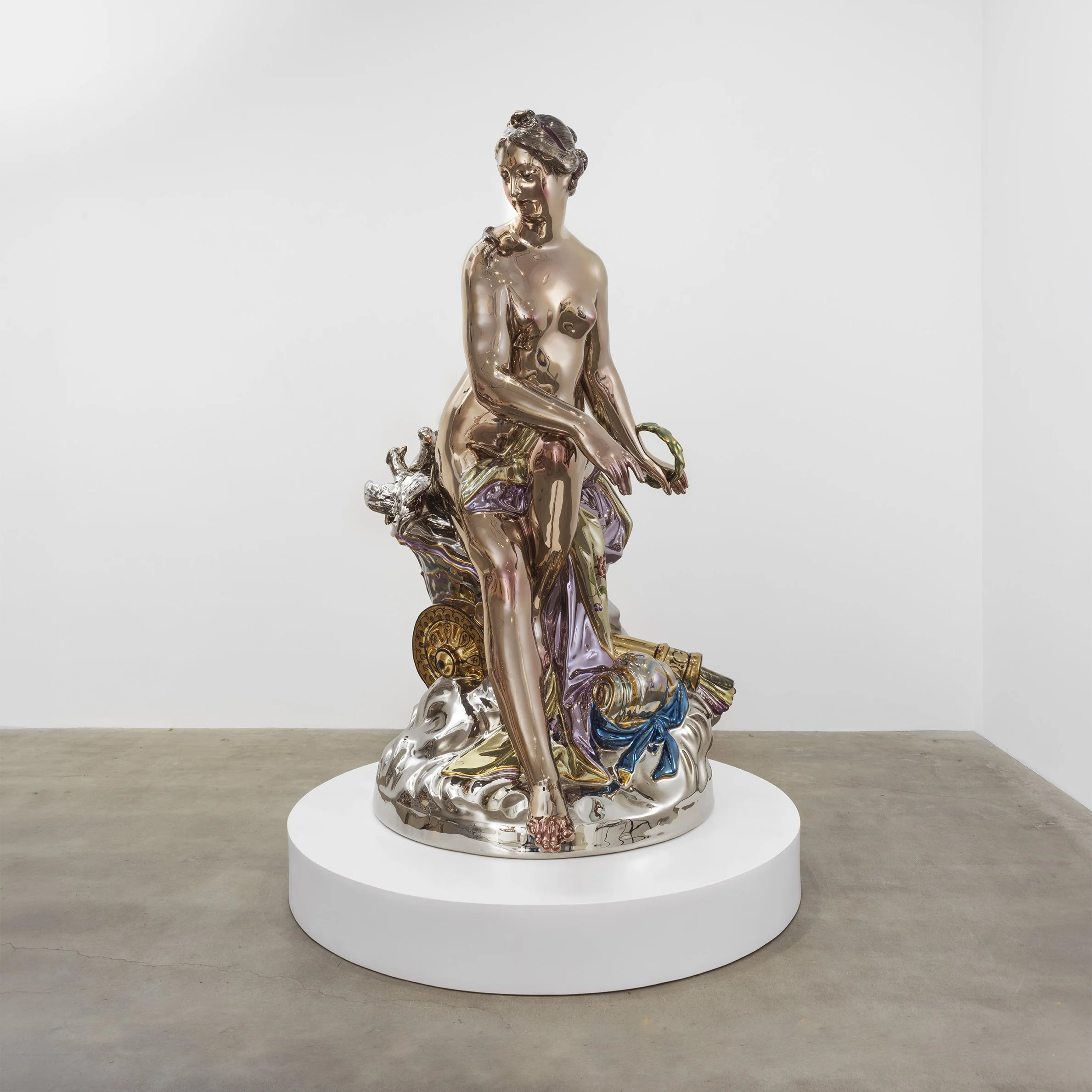
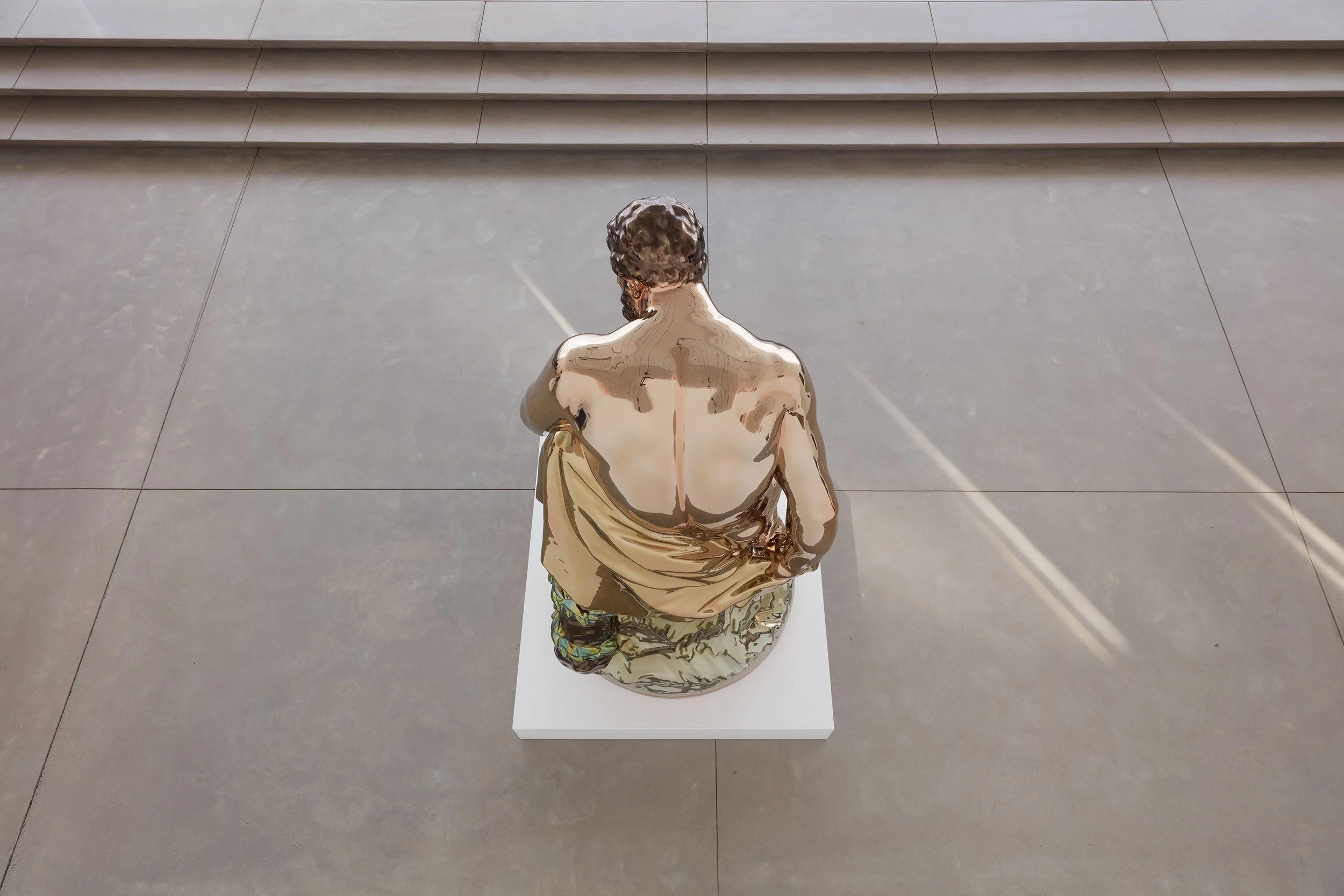
All digital systems were developed to ensure that color placement, edge behavior, and surface transitions in the final sculpture matched the approved digital model as closely as possible.

Final Sculpture Installed at Gagosian Gallery, New York
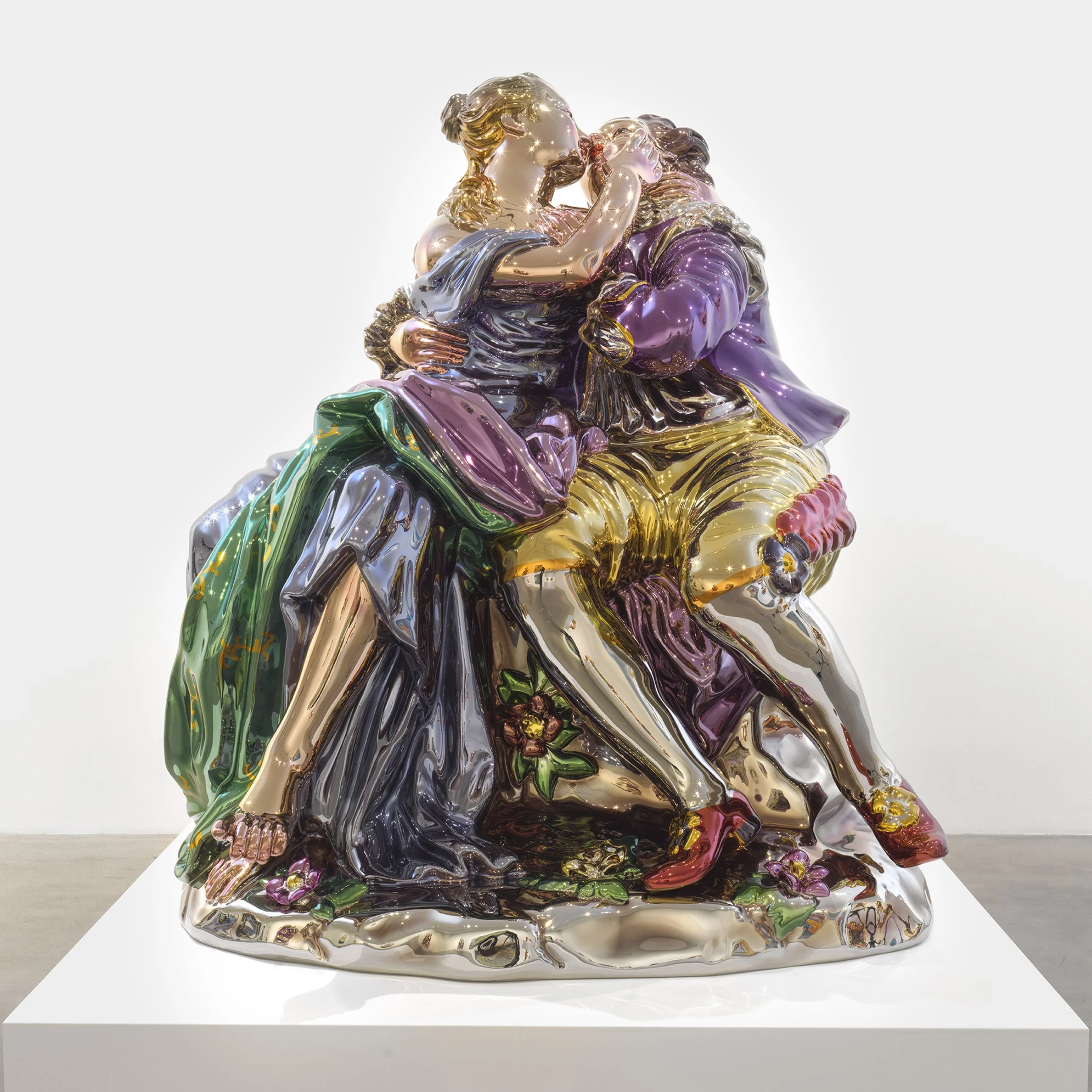
High-Resolution Source Data Final high-resolution scan data was used as the foundation for all color development. This data was remeshed int

High-Resolution Source Data

Final high-resolution scan data was used as the foundation for all color development.
This data was remeshed into render-ready geometry and prepared specifically for color transfer, repainting, and fabrication planning, ensuring continuity between scanned form, digital model, and physical output.
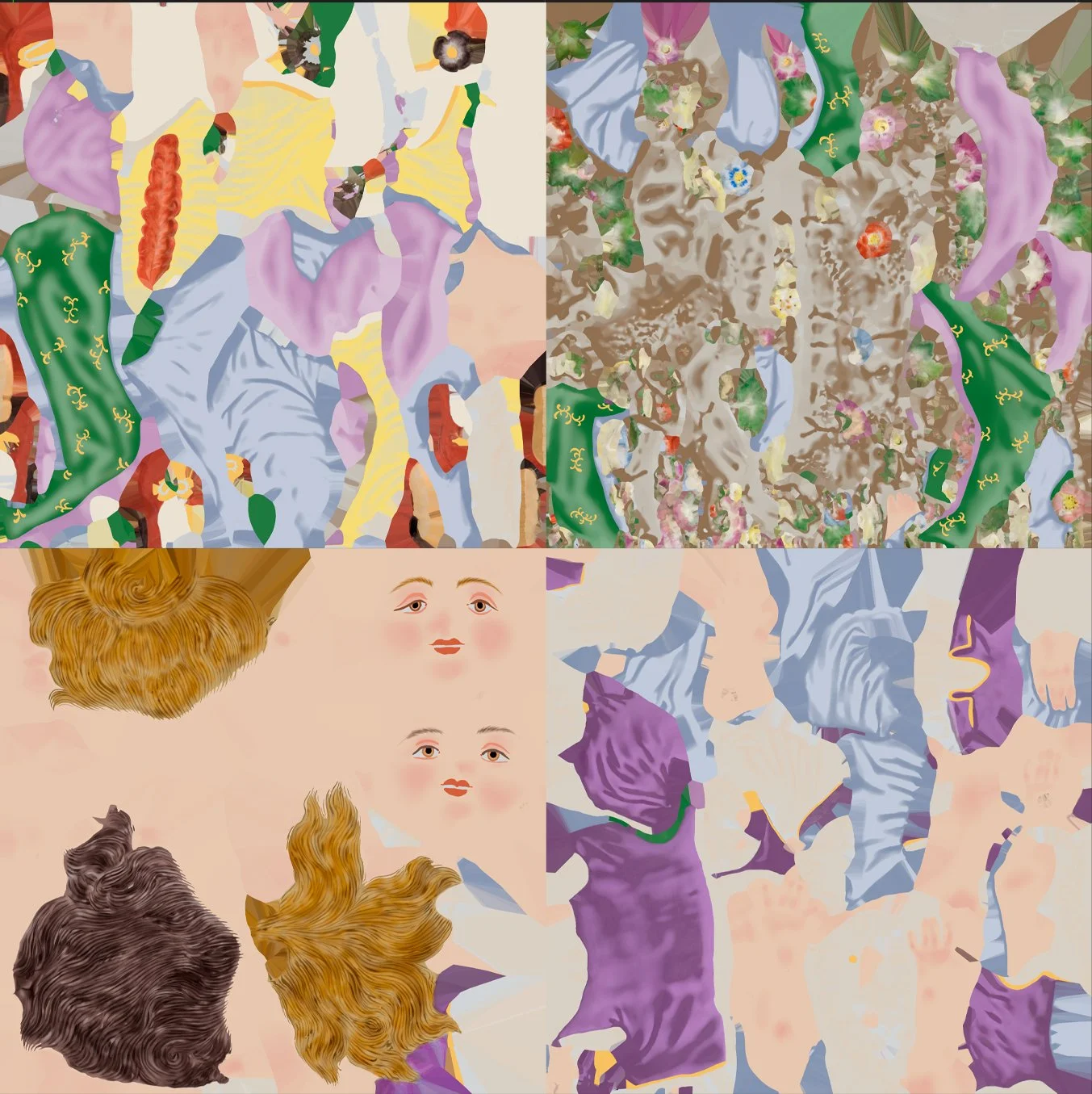


UV & Color Transfer Systems The sculptures were UV-mapped using large-scale UDIM layouts to support high-resolution color work across comple

UV & Color Transfer Systems

The sculptures were UV-mapped using large-scale UDIM layouts to support high-resolution color work across complex curved surfaces.
This structure allowed color information derived from photogrammetry and repainting to transfer cleanly and consistently across the full form.

 
Digital Repainting & Transparent Layering System Each sculpture was fully repainted digitally using a custom workflow designed to replicate

Digital Repainting & Transparent Layering System

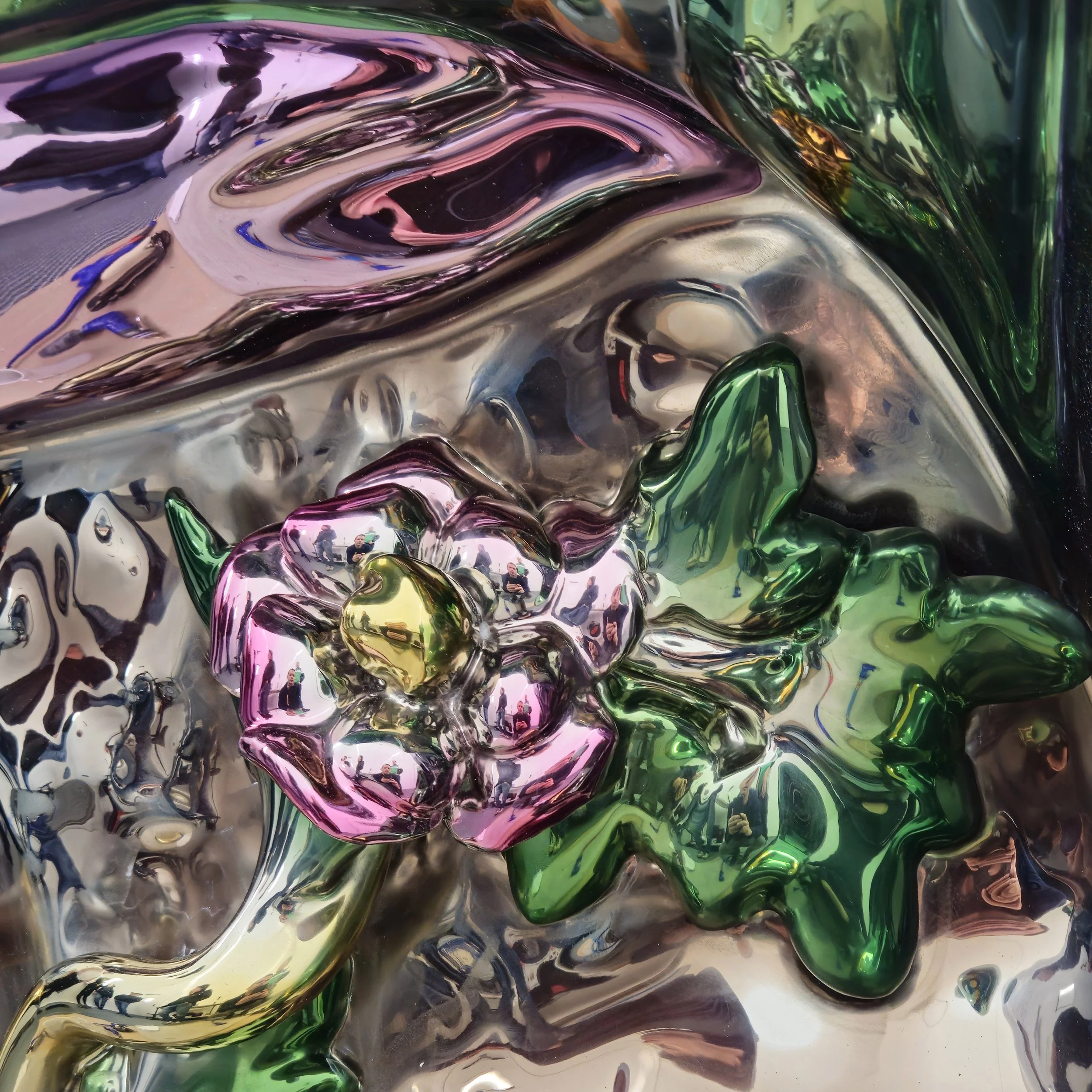
Each sculpture was fully repainted digitally using a custom workflow designed to replicate the physical process of layered transparent automotive paint.

Color layers were built sequentially to resolve:

  • Total number of colors

  • Layer order and dependencies

  • Hue, value, and edge behavior

This system allowed digital decisions to reliably predict physical outcomes on mirror-polished stainless steel.


Rendering & Visual Convergence

Final renders represented the resolved visual intent of each sculpture.
Geometry, color systems, and surface behavior were unified to ensure that the digital model functioned as an accurate reference for physical execution.

 
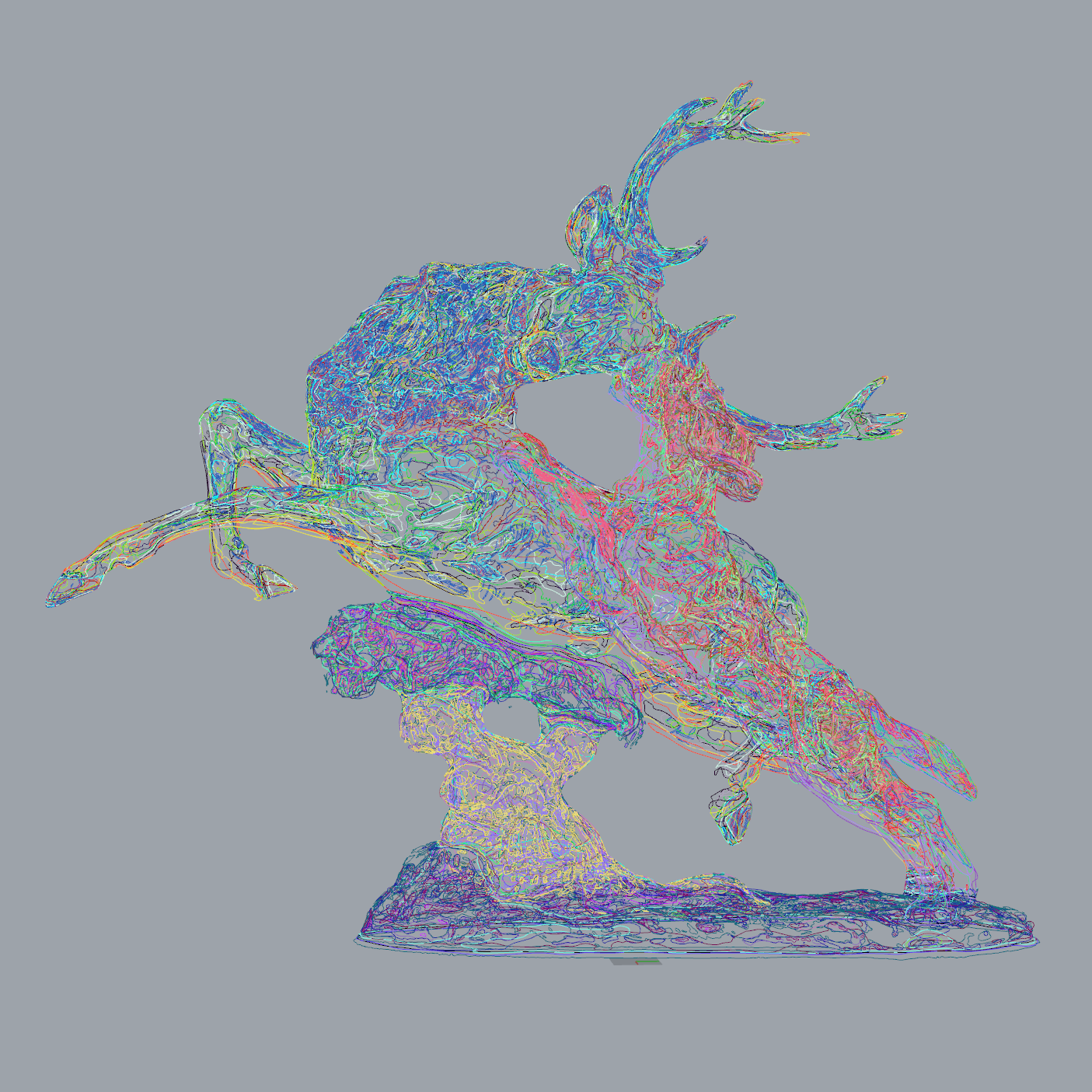
Masking Systems & Fabrication Translation Approved digital color regions were translated into physical masking strategies. Each layer was in

Masking Systems & Fabrication Translation

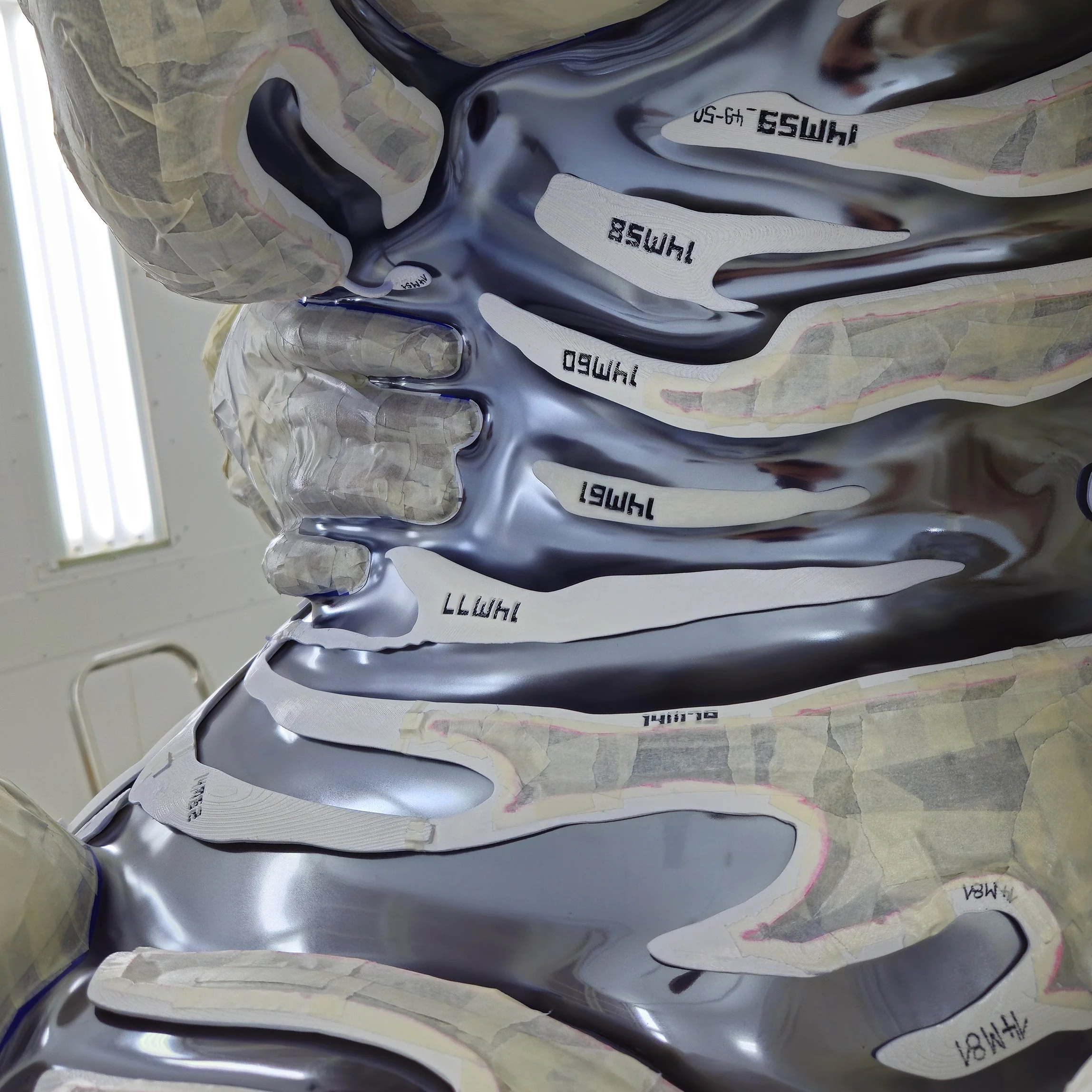
Approved digital color regions were translated into physical masking strategies.
Each layer was individually analyzed and broken down to define precise boundaries, transitions, and edge characteristics.

Masking approaches included:

  • Spline-based boundary definitions

  • Laser projection layouts

  • Vinyl masking

  • Custom 3D-printed, form-fitting masks

Production Oversight & Final Outcome I led a small in-house team and coordinated closely between the artist and fabrication partners through

Production Oversight & Final Outcome

I led an in-house team and coordinated closely between the artist and fabrication partners throughout production.
This included on-site oversight to address technical challenges and ensure alignment between digital intent and physical execution.


Extending the production system

AI-assisted tools for production

Building on the 3D, color and fabrication methods I developed over years of hands-on production, I now use AI-assisted development to automate steps.

With these tools, I’ve been able to speed up iteration and define each step of the process more accurately. Color and fabrication decisions remain guided by my visual judgment and material knowledge.

Color selection & separation
Simplify colors in photogrammetry textures and separate them into painterly layers.
Vectors, splines & UV seams
Generate vectors, transfer 2D boundaries into 3D splines, and correct seams across the UV layout.
Mask preparation
Determine 3D mask height offsets from the softness of the texture regions they represent.